Why Qatar's tech ambitions will be won on skills, not only technology
Pilots, funding and national strategy all matter. They deliver results only when the people receiving the technology are ready to adopt it.
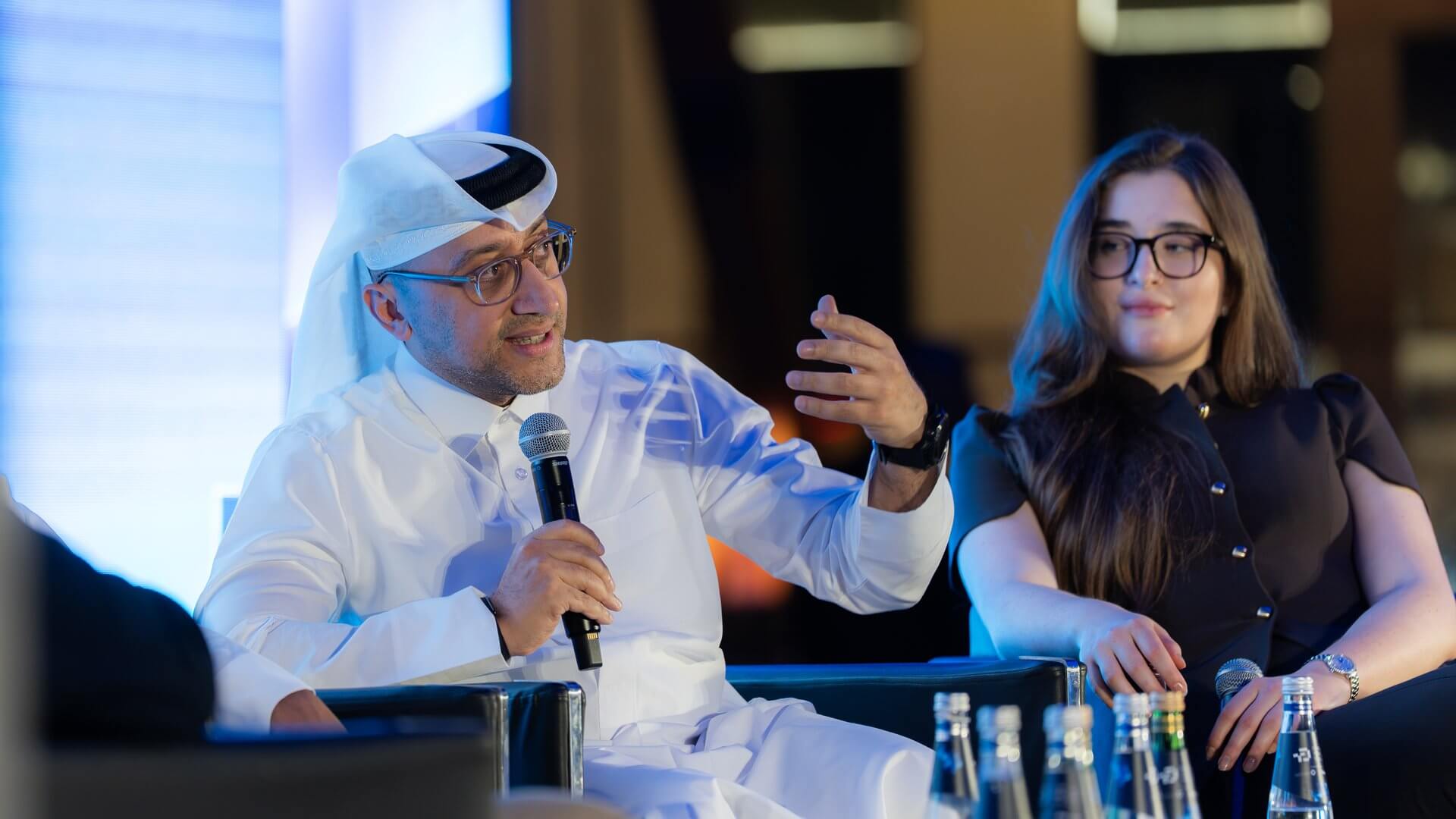
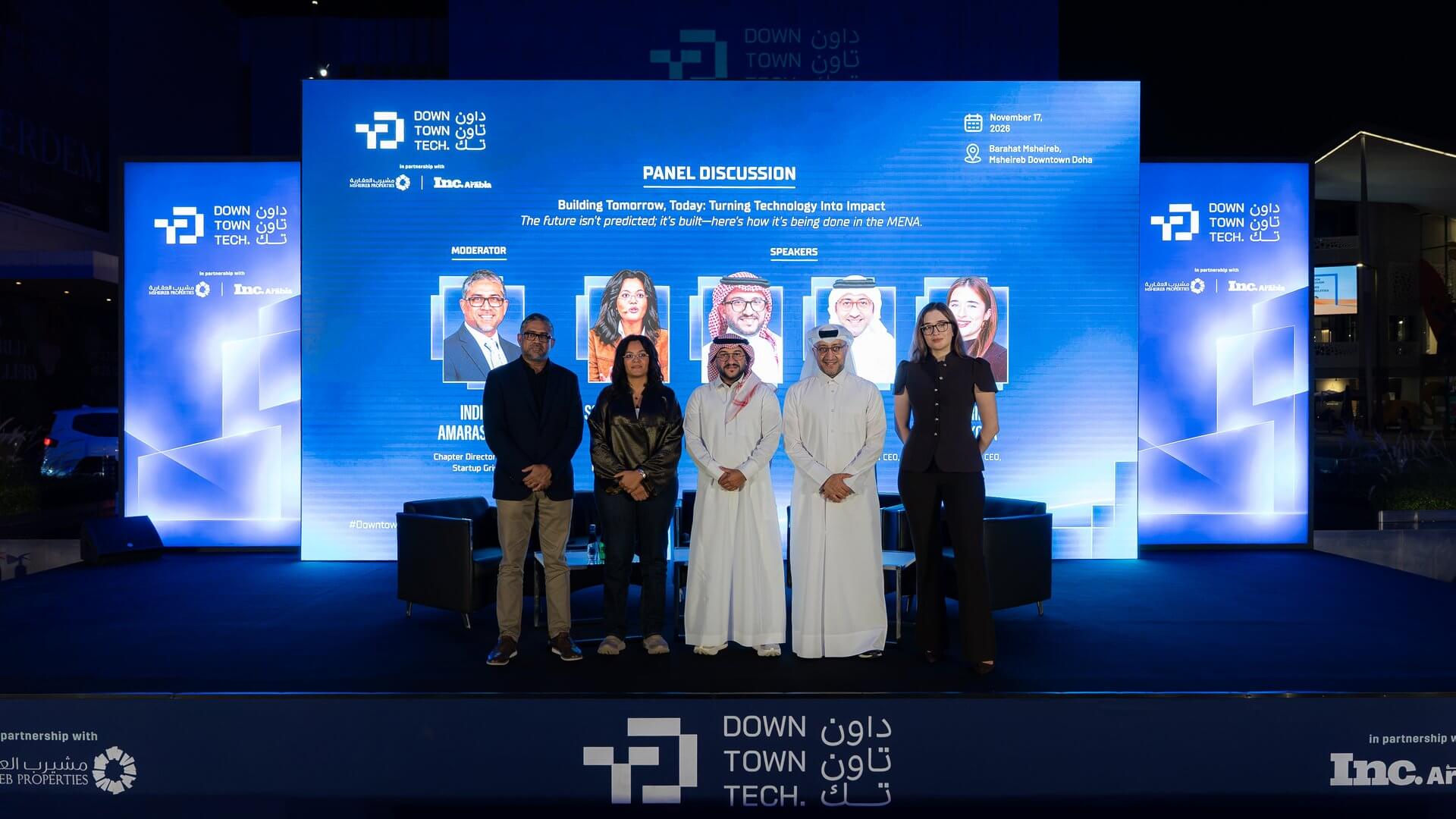
Technology reaches customers only when people are ready to adopt it, and that readiness is built through skills. This was the underlying question at the Downtown Tech Summit on 17 November 2026 at Barahat Msheireb, Msheireb Downtown Doha, where CEO and Partner, Nayef Al-Ibrahim, joined the panel Building Tomorrow, Today: Turning Technology Into Impact.
The panel brought together founder, investor and ecosystem perspectives on how founders turn ideas, particularly in deep tech and AI, into products that customers adopt and pay for, and on the move from pilot to commercial deployment. Ibtechar joined as the enabler, the part of the ecosystem that prepares organisations to buy, adopt and use what founders build.

The market is shifting from supporting startups to creating demand
The national direction is already clear. Startup Genome's Global Startup Ecosystem Report 2026 states that Qatar "is intentionally evolving from an ecosystem that supports startups to one that creates markets for them." Qatar ranks eighth among MENA startup ecosystems in the same report, according to the Gulf Times (22 June 2026), and its time to exit is nine years against a global average of 11.2 years.
The report makes a point that matters for every buyer: "Pilots create value only when they lead to adoption." It also notes that startups grow when they can sell early and learn from real customers.
A pilot is a decision, and the buyer must be ready to make it
The panel's questions on first customers and early reference clients point to the same lesson. A pilot succeeds when someone has decided who adopts the result, by when, and against what measure. Without those answers, a pilot becomes a demonstration with no next step.
In our work with organisations across Qatar, the missing piece is rarely the technology or the idea. It is buyer readiness: a sponsor with authority, a team able to evaluate the result, and a path from trial to procurement. Behind that readiness sits the capacity to innovate: the strategy, culture, skills, and processes that allow an organisation to turn new ideas into lasting results.
Ibtechar's Innovation Readiness and Maturity Assessments measure that capacity against the Global Innovation Institute (GInI) standard. Each one either identifies the gaps an organisation needs to close or certifies it as a Certified Innovative Organization (CInOrg)®. Our Proof of Concepts and Pilot Programs then put innovation into action. We prototype, test, and refine solutions with our clients under real conditions, so they are ready to scale.
A founder who became an enabler sees both sides of the sale
In 2011, Nayef Al-Ibrahim was a founder looking for a first customer. Ibtechar launched that year as Qatar's first Qatari-incubated startup, and the search for that customer showed him how much a startup's growth depends on buyers who are ready to adopt. Today he leads the organisation that prepares Qatari institutions to adopt innovation, which made him the only enabler on the panel and gave him a view of both sides of the sale.
From the founder's side, he sees Qatar's advantage as access with alignment. A small, connected market puts founders close to real decision-makers, and national strategy acts as a demand signal through Qatar National Vision 2030, the Third National Development Strategy and Digital Agenda 2030. Institutions now coordinate demand, not only funding, so a founder should build around a national priority, not around a product in search of a buyer.
From the enabler's side, his one ask of the ecosystem is that every pilot becomes a pathway to procurement. Before a pilot begins, three things are settled: who decides, by when and against what measure. The buyer must be ready as well, with a named owner, trained staff, and security and data approvals handled early. This matches the Startup Genome finding that a pilot creates value only when it ends in adoption, not in a good demonstration.
That experience shapes his view of references and of success. A first customer is useful as a reference only when it has adopted the product well. A reference is proof, not a logo, and Qatar's institutional buyers set a high bar on procurement, security and data, which signals enterprise readiness to other markets. His closing point is that the ecosystem should measure itself by adoption, not by the number of pilots and programmes.
Technology built for a launch leaves little behind
Ibtechar's white paper, Grassrooting Innovation in Qatar, starts from a simple observation: innovation projects deliver quick results, but when they stand alone they often stay in silos and fail to reach the rest of the organisation. The paper sets out a ground-up approach built on four connected stages: Awareness, Capacity, Co-creation and Sustainability.
Capacity is the stage where readiness is built. It assesses an organisation's innovation maturity and gaps, then develops skills in areas such as design thinking, data analysis and digital upskilling, together with the labs, funding mechanisms and metrics that allow those skills to be used. The paper is explicit that the stages follow an order and that capital-intensive initiatives should begin only once an organisation reaches the appropriate maturity. A pilot launched ahead of that point tests the organisation more than it tests the technology.
For a founder, this means a customer who knows how to use the product. For an investor, it means a market able to repeat the sale. For a government partner, it means a workforce that sustains the programme without outside support.
Skills come first, and the tools follow
Ibtechar Academy designs and delivers AI capacity-building programmes for organisations that intend to adopt new technology, through programme development and programme delivery. We work alongside government partners to build the skills their teams will own and run.
Our work on the national Digital Skills Framework shows the approach in practice. Ibtechar, with its strategic partner UQalify, led the implementation of the Ministry of Communications and Information Technology's Digital Skills Framework. The framework sets a national benchmark of 115 digital skills across 19 domains, measured at four proficiency levels, and takes individuals and organisations through four stages: Awareness, Knowledge, Ability and Transformation.
To put it into practice, Ibtechar developed the skills assessments, designed the accreditation and qualification mechanisms for institutions, and built and launched the online assessment platform. We also supported the national rollout across public and private sector institutions. Since its launch, the framework has gained broad adoption across Qatar's public and private sectors, giving individuals a clear way to assess their digital skills and measure them against national needs. The work supports the national priorities of the Third National Development Strategy (NDS3) and Digital Agenda 2030.
What organisations can do next
- Name the buyer before the pilot begins: who decides, by when, and against which measure.
- Assess readiness first, so that the pilot tests the technology and not the organisation's preparation.
- Train the team that will run the solution before it arrives, and keep them involved afterwards.
- Treat the first customer as a reference: document what worked so the next sale is faster.
Qatar has the strategy and the ecosystem programmes it needs. What decides whether technology reaches customers is whether the people receiving it are ready, and readiness can be assessed, built and measured.
Contact the Ibtechar team to make the next pilot or AI programme a pathway to adoption.
Let's work together
Talk to Ibtechar about your next challenge or objective — and we'll guide you through each stage from the drawing board to project implementation.
